Rechercher dans ce blog

Thursday, December 31, 2020

The best TV for 2021: LG OLED, Samsung and TCL QLED, Sony and Vizio compared - CNET

doro.indah.link

If you're looking for the best TV to buy right now, it's probably been a long time since you bought your last one. You may be new to all of the current TV jargon: HDRUltra HD 4K8KOLEDQLED120Hz and HDMI 2.1. I've reviewed TVs for nearly 20 years, since the days of plasma and rear projection. My focus is on finding the best picture quality for the money, whether you're looking for a top-of-the-line OLED TV or something a little less flashy.

The list below represents the best TVs I've reviewed in CNET's test lab (for 2020, that's my basement), where I compare their picture quality, smart TV, design and features side by side to see which ones are most worth buying -- 4K ultra HD is nice, but TV shows still look good even if you're not watching an HDR TV. I look at things like contrast ratio, local dimming, viewing angle and uniformity, gaming input lag and refresh rate, as well as the number of HDMI ports and how well the television supports your streaming app (or apps) of choice, like Netflix, Hulu and Disney Plus. Here are my recommendations, with the following notes to keep in mind:

  • Unless noted otherwise, all of the prices you'll see are for 65-inch models.
  • Looking for a specific screen size? Check out: 32-inch TVs, 43-inch TVs, 55-inch TVs65-inch TVs and 75-inch TVs.
  • The end of the year, starting around Black Friday and Cyber Monday, is usually the best time to get a good deal. 
  • If you're worried that next year's TV will have some great feature you'll miss out on if you buy a TV now, relax. TVs are generally a mature technology and our advice is that if you need a new TV now, you should get one
  • This list is updated periodically.

Read more: Best TVs for PS5 and Xbox Series X, Series S: LG CX OLED, Sony X900H, TCL 6-Series and more

David Katzmaier/CNET

No TV I've ever tested offers this much picture quality for this little cash. The 2020 TCL 6-Series has even better image quality than its predecessor, thanks to mini-LED tech and well-implemented full-array local dimming that helps it run circles around just about any other TV at this price. It's also a solid choice for gamers with a new THX mode that combines low input lag and high contrast. As if that's not enough, the Roku TV operating system is our hands-down favorite.

Sizes: 55-, 65-, 75-inch. Read our TCL 6-Series (2020 Roku TV) review.

David Katzmaier/CNET

What's that you say? You just want the best TV, money no object? Here you go. In my side-by-side tests, the 2020 LG CX is the best TV I've ever reviewed, with world-beating contrast, perfect off-angle viewing and excellent uniformity. If you can afford it, this LG OLED TV is the TV to get.

Sizes: 48-, 55-, 65-, 77-inch. Read our LG OLEDCX series review.

Aside from the TCL 6-Series above, this is the runner-up for best TV for the money. The TCL has a better picture and better smart HDTV system so it's a superior TV overall, but it's also a couple hundred dollars more expensive. If you can't afford the 6-Series, this Vizio is a very good runner-up.

Sizes: 50-, 55-, 65-inch. Read our Vizio M7-Series Quantum (2020) review.

Sarah Tew/CNET

If you value Sony's brand X900H is an excellent choice, with image quality on par with the TCL 6-Series and a price that's not that much more expensive. And its suite of connections is actually better than the TCL's. In winter 2020 it will get full 4K/120Hz HDMI input capability to maximize the potential of the new Xbox Series X and PlayStation 5, and right now it's the cheapest TV that works with ATSC 3.0 antenna broadcasts.

Sizes: 55-, 65-, 75-, 85-inch. Read our Sony XBR-X900H review.

Sarah Tew/CNET

Roku is our favorite platform for a live TV streaming service like Netflix, Hulu and Amazon Prime Video, and it's even better baked into the TV. This TCL 4-Series can't beat any of the models above on image quality -- its 4K resolution and HDR compatibility don't do anything to help the picture -- but it's perfectly fine for most people, especially at this price. 

Sizes: 43-, 50-, 55-, 65-, 75-inch. (The price shown below is for the 43-inch size.) Read our TCL S425 series (Roku TV) review.

Sarah Tew/CNET

TCL's 8-Series also features mini-LED and the result is superb contrast, brightness and high dynamic range that beats the less expensive 6-Series in my side-by-side comparison. The overall image quality doesn't quite hit OLED TV levels, but it comes pretty close and costs a lot less, especially in the 75-inch size.

Sizes: 65-, 75-inch. Read our TCL 8-Series (2019 Roku TV) review.

David Katzmaier/CNET

Samsung is the TV brand that sells more TVs than anyone and our favorite for 2020 is the Q80T series. Its sleek design stands out compared to the other TVs on this list -- although the ultra-thin LG CX OLED is even sleeker -- and it also offers excellent image quality, next-gen gaming connectivity and a great smart TV system. The TVs above are superior values but if you want a Samsung anyway, this is a great choice for gaming or watching TV shows, movies, YouTube TV and more. Read our Samsung Q80T series (2020) review.

Sarah Tew/CNET

For sizes smaller than 55 inches, and for people who value smarts over image quality, these non-4K Roku TVs make the most sense. The picture is "good enough" and the built-in smarts are superb -- just enough to watch the final season of "The Office" or "Friends" content. And the price is perfect for a kids' room or secondary room where you don't need a massive screen.

Sizes: 28-, 32-, 40-, 43-, 49-inch. (The price shown below is for the 40-inch size.) Read our TCL S325 series (Roku TV) review.

Other stuff to know about buying a new TV

I'm pretty sure you'd be happy with any one of the TVs above, but a new set can be a big investment, so maybe you're looking for a bit more information. Here's a quick and dirty list.

  • In my opinion, bigger is better. Big TVs are cheaper than ever, and your money is best spent on large screen sizes rather than a slight upgrade in image quality.
  • If you don't like the built-in smart TV system, you can always add a media streamer. They're cheap and easy to use, and receive updates more frequently than most smart TVs. See our picks of the best media streamers.
  • The sound quality of most built-in speakers is terrible, so it's worthwhile to pair your new set with a sound bar or other speaker system. Good ones start at around $100. See the best soundbars.

Looking for even more info? 

Now playing: Watch this: TCL 6-Series: Best TV for the money in 2020

4:21


December 31, 2020 at 04:10AM
https://ift.tt/38TL4x4

The best TV for 2021: LG OLED, Samsung and TCL QLED, Sony and Vizio compared - CNET

https://ift.tt/2O3clnm

Wednesday, December 30, 2020

Best iPhone apps to enhance your experience with Apple Music - 9to5Mac

doro.indah.link

Although iOS comes with a native Apple Music application, developers have been using the MusicKit API to create new experiences for those who subscribe to Apple’s streaming service. If you’re an Apple Music subscriber and want to find out how to better enjoy your music library with unique features, I’ve selected some of the best iOS apps with Apple Music integration.

Next

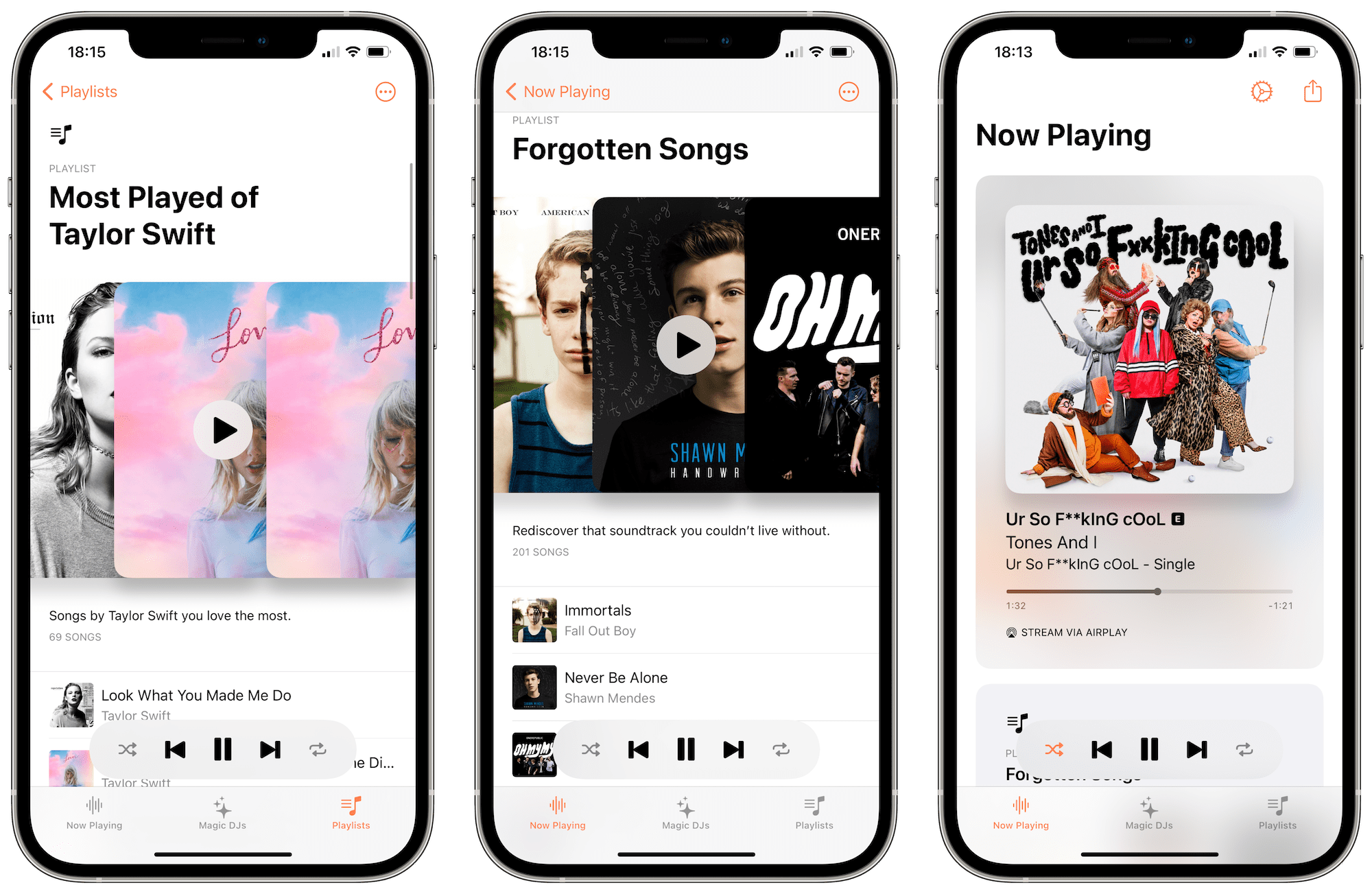
Next was the first app I reviewed here on 9to5Mac. Instead of working as an alternative player to Apple Music, the app brings features that will help you rediscover your current music library. Next uses algorithms to generate smart playlists and also something called Magic DJs — which contains a mix of songs from your favorite artists and genres.

Although it’s always a good thing to discover new songs, sometimes we have great songs in our library that end up being forgotten after some time. That’s why one of my favorite features of Next is the Forgotten Songs playlist, which does exactly what the name suggests. It brings together all your favorite songs from the past in one place.

You will also find other smart playlists with the most played songs from specific artists and genres, not to mention the playlist with songs you added to your library but never played them. Playlists are automatically generated based on your Apple Music data and updated each time you open the app.

Next is available on the App Store for $4.99 as a one-time purchase.

Marvis

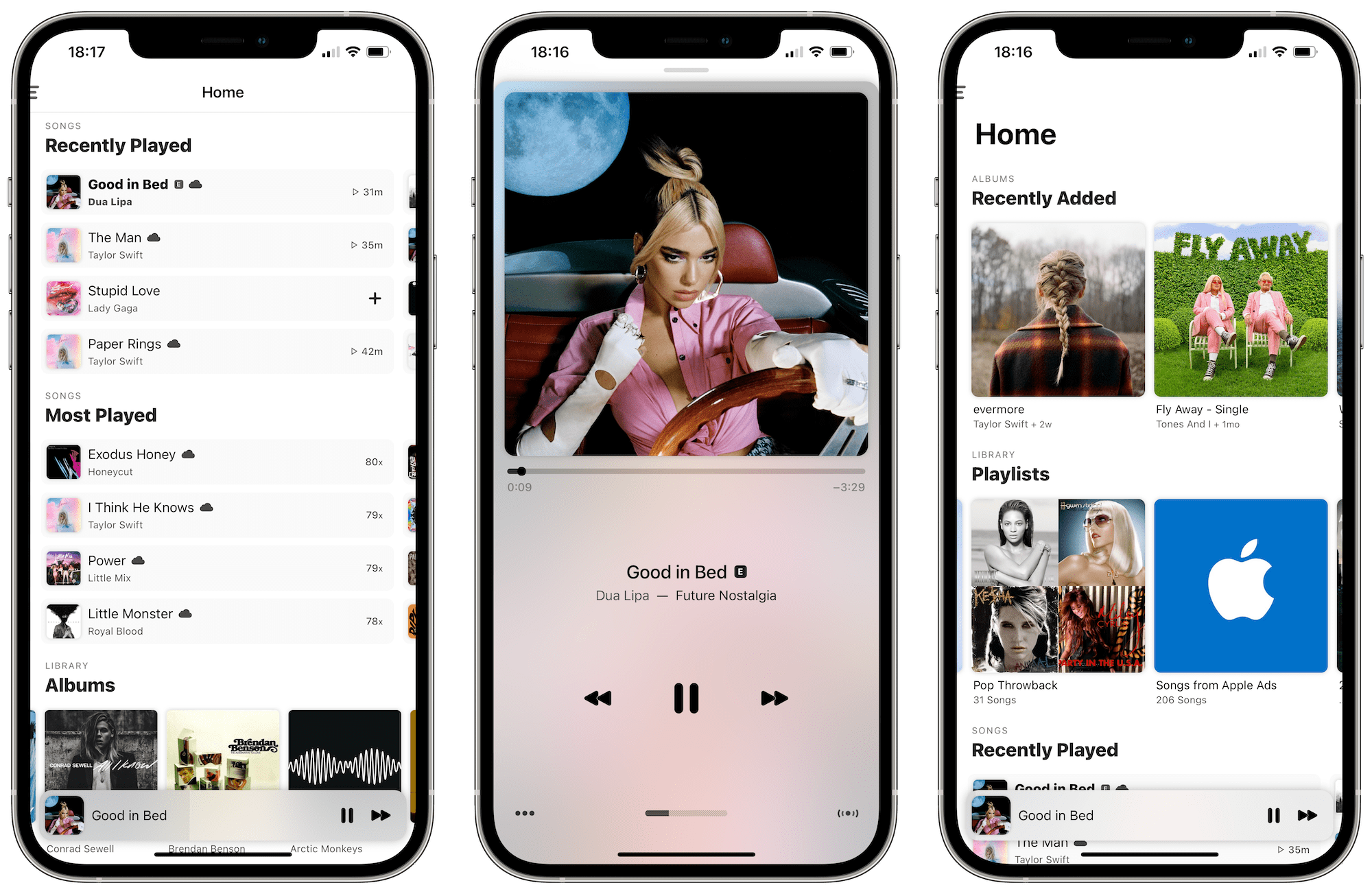
Maybe you’re someone who is subscribed to Apple Music but doesn’t like the official Music app. The Marvis app is a great alternative to the official Apple Music app as it brings all the features you expect to let you explore your music library by albums, playlists, genres, and more.

The home screen of the app can be customized with just the sections you need and the way you want. For instance, you can choose from Recently Played songs, Most Played songs, Loved songs, Top Charts, New Releases, Radio Stations, and more to make your Home experience unique within the app.

Another interesting feature of the Marvis app is a side menu that can be accessed with gestures, which is great for when you have to use the phone with just one hand. You will also find a great and intuitive interface that works both in portrait and landscape mode.

Marvis is available on the App Store for $5.99 as a one-time purchase — and it offers an additional integration with Last.fm that can be unlocked with a $3.99 in-app purchase.

Soor

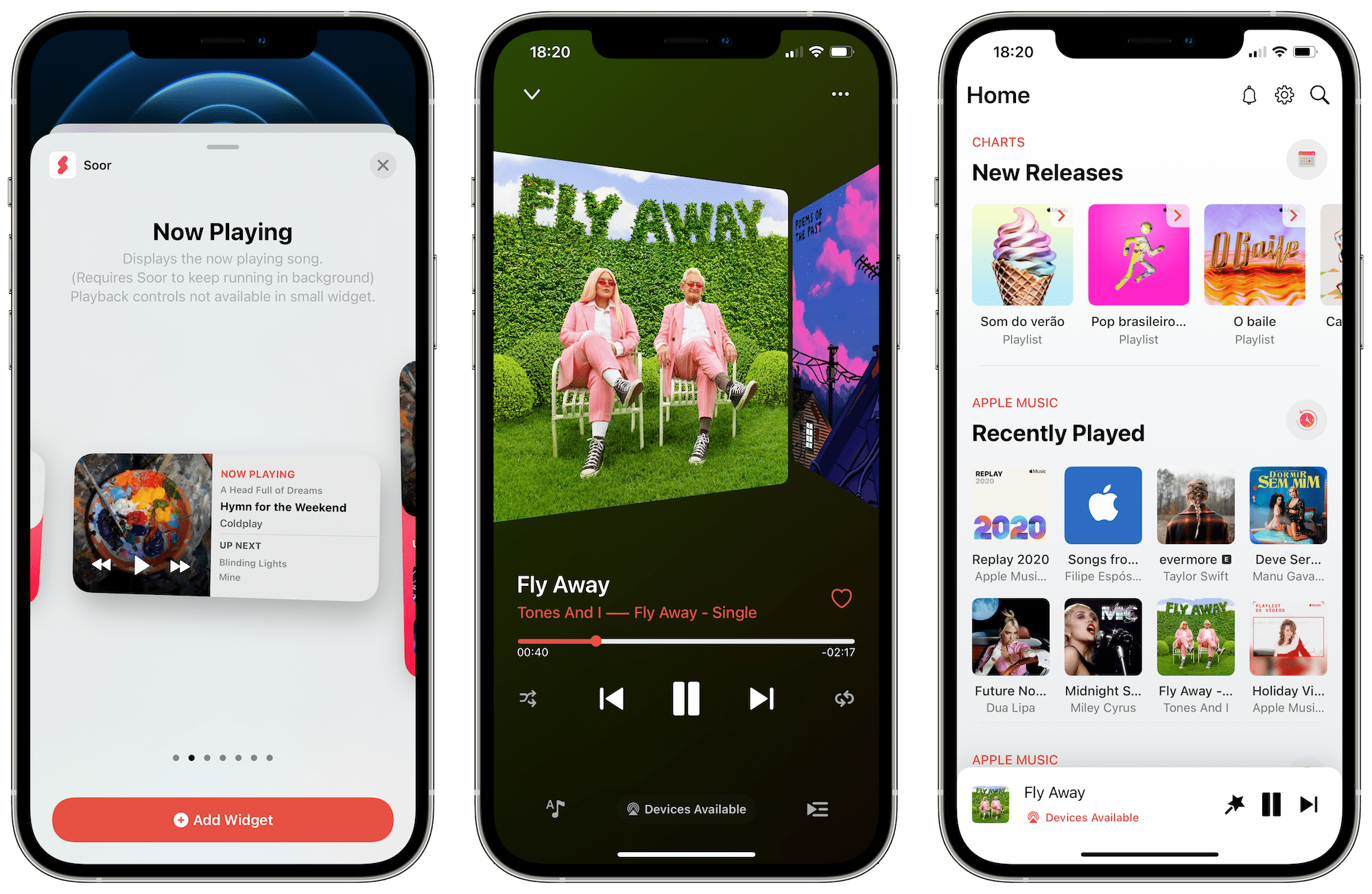
Just like Marvis, Soor is another alternative to the official Apple Music app for iOS — and it also brings cool features for users who are not satisfied with the default iPhone Music app. Soor’s interface is highly customizable with options to change the Home sections, set a light or dark theme, rearrange the playlists, and more.

In addition to your local music library sections such as albums and playlists, you can also add For You, New Songs, Hot Tracks, and other sections directly from Apple Music. With a feature called Magic Mix, you can create Genius-like playlists with filters for artists, albums, genres, composer, play count, and others.

The app also comes with multiple widgets for the iOS home screen, which is great for customizing your iPhone while also making it easier to access your favorite songs. This includes Now Playing, Magic Mix, and Music Collection widgets. It even has Cover Flow.

Soor is available on the App Store for $4.99 as a one-time purchase. Don’t forget to read the full Soor review here on 9to5Mac.

MusicHarbor

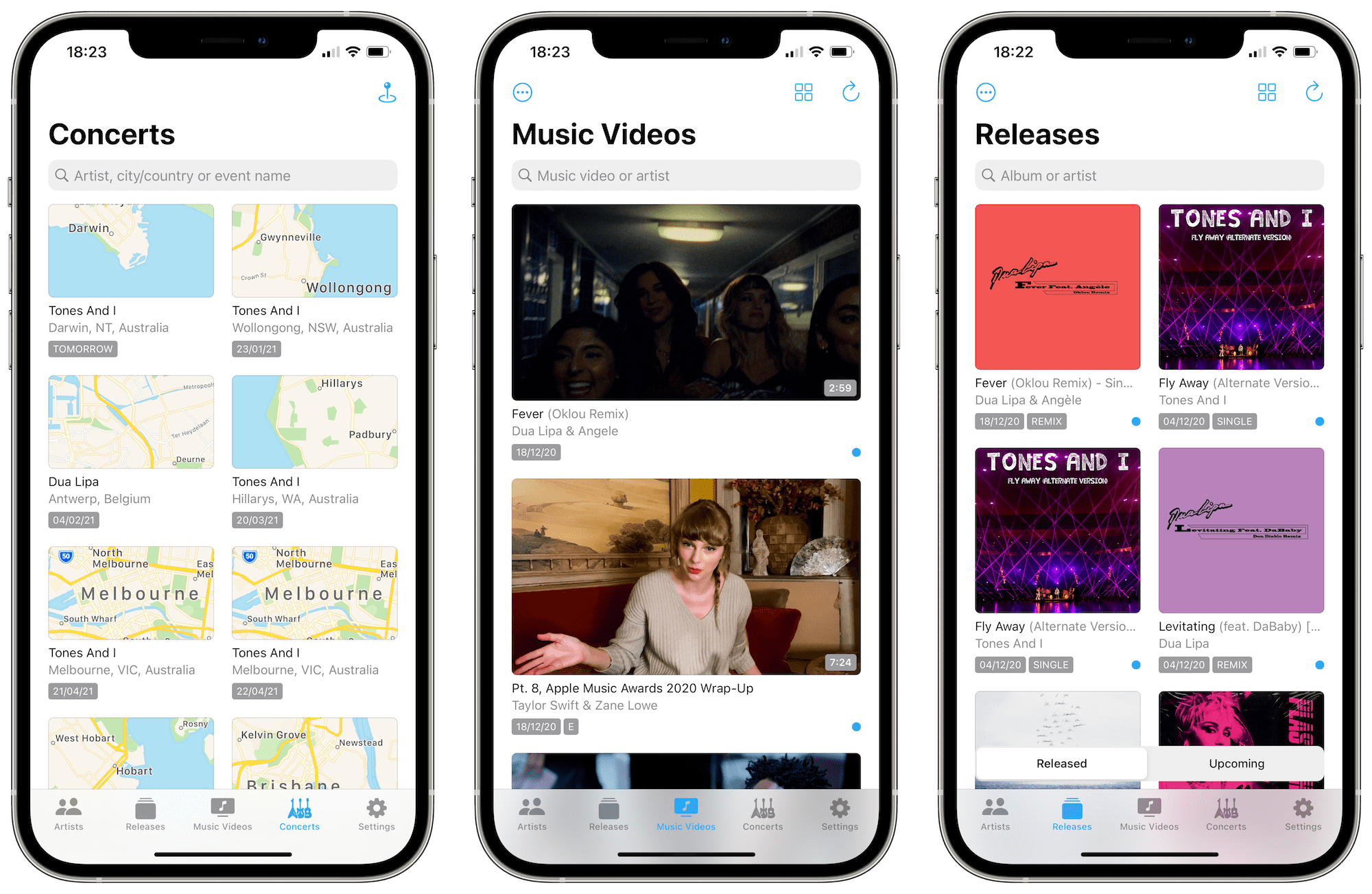
Apple Music doesn’t provide a way to follow your favorite artists in order to track their latest and upcoming albums and songs, but MusicHarbor does just that. Instead of offering suggestions or working as an alternative player to Apple Music, MusicHarbor is built for users who know exactly who they want to follow.

You just open the app, search for artists and start following them — and MusicHarbor does the rest. The app brings a list of all albums released by each artist, and it also shows any upcoming content such as singles and videoclips. You can also enable push notifications to be notified whenever one of the artists you follow releases a new song.

Furthermore, MusicHarbor has a button that redirects you to a web page with the latest news about the artist and a dedicated tab to show any scheduled concerts. There are also widgets, iCloud data sync, and theme options available for users.

You can try MusicHarbor for free on the App Store, but some features require in-app purchases to be unlocked.

Longplay

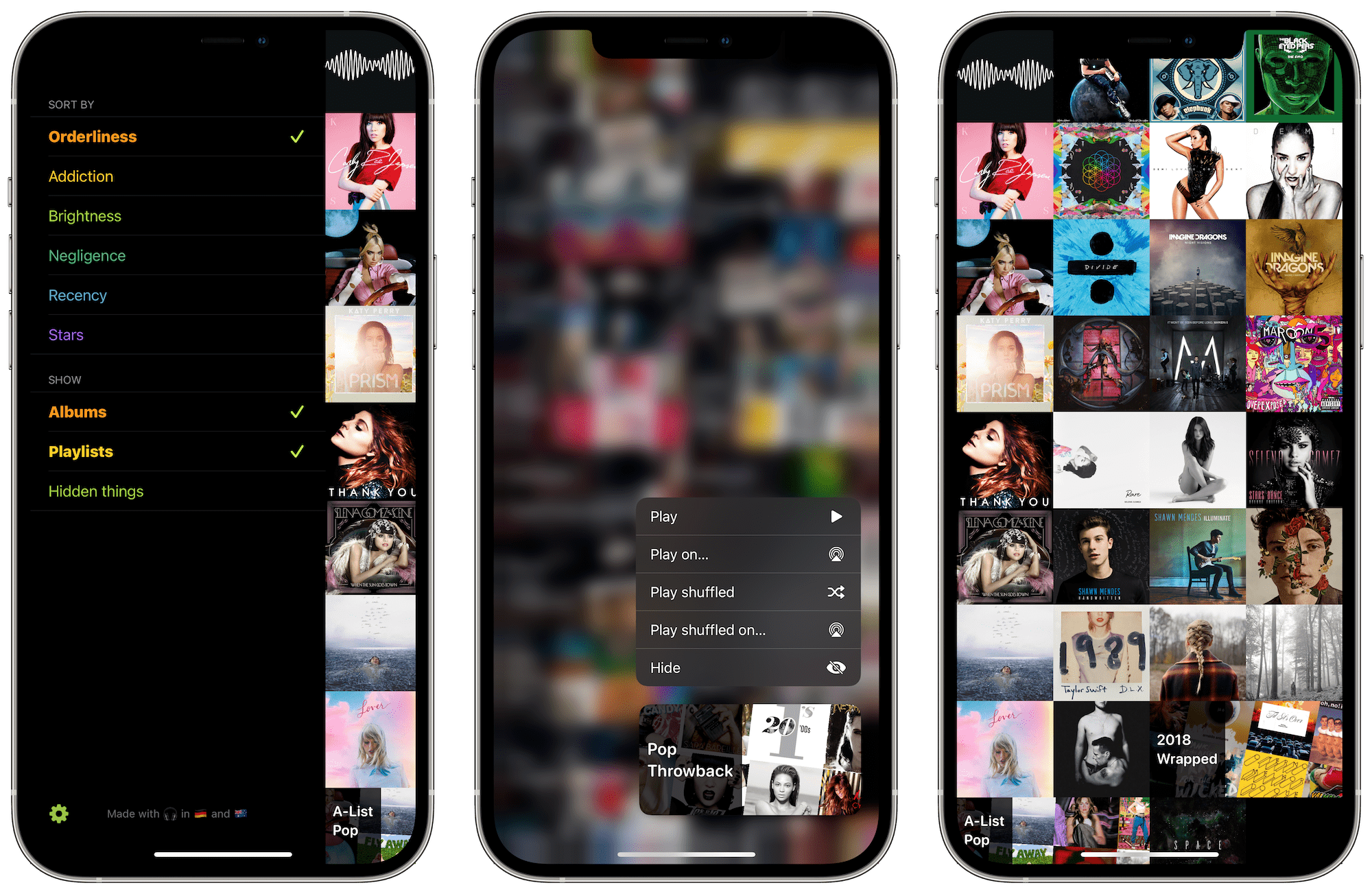
Longplay is also an interesting app that was introduced this year to let users rediscover their music library. Unlike all the other apps on this list, Longplay is focused on exploring entire albums and playlists that you have — excluding those that you’ve added only some of its songs to the Apple Music library.

Once you open the app, it shows only the artwork from your albums and playlists. You can rearrange the main app view by selecting only albums, playlists, or using one of the smart “Sort by” options. There are no extra options or anything that makes you think about where to start. All you need to do is tap into an album or playlist and start listening to it.

By long pressing the albums, Longplay offers options to play it in shuffle mode or to use AirPlay. It’s a fun app and Apple Music users should give it a try.

Longplay is available on the App Store for $2.99 as a one-time purchase.

Wrap up

With these apps, you can definitely have a whole new experience with Apple Music. You can replace the official Music app or rediscover songs you don’t even remember right now.

It’s worth mentioning that although these apps work best with an Apple Music subscription, they also work with songs purchased from the iTunes Store or synchronized from a computer to the Music app.

What do you think of this list? Have you tried any of these apps? Are there any apps that you also like that I haven’t mentioned? Let me know in the comments below.

FTC: We use income earning auto affiliate links. More.


Check out 9to5Mac on YouTube for more Apple news:


December 31, 2020 at 06:44AM
https://ift.tt/38Pu8Ys

Best iPhone apps to enhance your experience with Apple Music - 9to5Mac

https://ift.tt/2Ne11mY

How to Make Calls from Windows 10 Using an Android Phone - How-To Geek

doro.indah.link
microsoft your phone calls
Microsoft

If your computer runs Windows 10 and you also have an Android phone, you should probably be using Microsoft’s Your Phone app. You can do a lot with it, including making and receiving phone calls on your PC. Let’s do it!

What You’ll Need

The Your Phone app is preinstalled on Windows 10 PCs. When connected to an Android device, it can mirror your notifications, sync photos, and send text messages. You can also use the app to place and receive calls from your phone through your PC.

To make phone calls using the Your Phone app, your devices must meet the following requirements:

  • Your computer must be running Windows 10 with the May 2019 Update or later, and have Bluetooth enabled.
  • Your Android device must be running Android 7.0 or above.

Before attempting to use the phone call feature, you’ll have to follow the initial setup process for Your Phone on your PC and Android device.

RELATED: Why Android Users Need Windows 10's "Your Phone" App

How to Make Android Phone Calls From Windows

During the initial setup process of the Your Phone Companion app on your Android device, there are a few permissions you have to grant for the phone call feature.

First, tap “Allow” to grant the app permission to make and manage phone calls.

allow phone calls permission

You also have to grant it access to your contacts so you can access them on your PC.

allow contacts permission

It’s also important that you allow the Android app to run in the background. This ensures a stable connection between your phone and PC.

allow Your Phone to run in the backgroud

After the setup process is complete on your Android device, you can move to the Windows app to finish setting up the phone call feature.

First, navigate to the “Calls” tab, and then click “Get Started.”

click get started from the calls tab

A pop-up containing a Bluetooth PIN will appear on your PC.

bluetooth code on PC

A pop-up containing the same PIN should also appear on your Android device. Make sure the codes match, and then click “Yes” on your PC and tap “Pair” on your Android device.

Bluetooth code on Android.

It’s possible to use the feature immediately, but you’ll only be able to dial numbers. To show your call log, you have to grant permission on your phone; click “Send Permission” to proceed.

click send permission

A notification will appear on your Android device; tap “Open” to launch the permission dialog.

tap open to launch permission

Tap “Allow” in the permission pop-up. If you don’t see a pop-up, you can manually grant permission. To do so, go to Settings > Apps & Notifications > See All Apps > Your Phone Companion > Permissions, and then select “Allow” under “Call Logs Access for This App.”

allow call log access

Your recent calls will now show up in the Your Phone app on Windows 10. To make a call from your PC, you can select a recent call and click the phone icon, search for contacts, or use the dial pad.

how to make calls

When you receive a phone call, a notification will appear on your PC, and you can click “Accept” or “Decline.”

answer or decline from PC

That’s all there is to it! You can now make and receive phone calls from your PC—no video call or third-party service required.


December 30, 2020 at 08:00PM
https://ift.tt/3n1LaHR

How to Make Calls from Windows 10 Using an Android Phone - How-To Geek

https://ift.tt/2Ne11mY

Gazelle shutting down used device trade-in program next year - 9to5Mac

doro.indah.link

The long-time refurbishing company Gazelle has announced today that it is shutting down its popular trade-in program. This program had allowed people to trade in their old iPhones, iPads, and Macs for cash.

Gazelle made the announcement in an email to customers today, saying that the trade-in program will shut down beginning on February 1, 2021. Customers have until January 31 to receive a quote and complete a trade in, Gazelle says.

Beginning February 1st, 2021, we will no longer be offering our trade-in option on Gazelle. If you have a trade-in that is in process right now, your trade-in will continue as planned. You can also still log in to your account here to view the status of your current trade-ins.

You will still be able to buy high quality used electronics for a fraction of the price from our online store. We’re excited to continue to help you save with awesome prices on used smart devices!

Instead of the trade-in program, Gazelle will focus on its ecoATM kiosks that pay “immediate cash for used smartphones and tablets.” To date, the company says that these kiosks have collected more than 25 million devices, but the obvious caveat here is that they typically pay much lower than full-fledged trade in programs.

While Gazelle doesn’t offer details on why it is shutting down its trade-in business, the space has become much more competitive over the last several years. Perhaps most notably, Apple makes it easier than ever to trade in old iPhones, iPads, Macs, and Apple Watches for instant credit on new device purchases.

You can learn more about how to trade in your old Apple devices in our full guides:

FTC: We use income earning auto affiliate links. More.


Check out 9to5Mac on YouTube for more Apple news:


December 31, 2020 at 01:52AM
https://ift.tt/34ZDtMd

Gazelle shutting down used device trade-in program next year - 9to5Mac

https://ift.tt/2Ne11mY

Samsung's busy 2021 starts with an early Unpacked … and new gadgets - CNET

doro.indah.link
samsung-galaxy-note-20-ultra-5g-6093

Samsung may get rid of its Note lineup as it expands its foldables in 2021. 

Angela Lang/CNET

An expanded foldables lineup. More 5G phones. Smarter gadgets. Computers, TVs, home appliances and a host of other devices. Maybe even lower prices. After a crazy 2020, the coming year could be one of Samsung's busiest yet. 

To take advantage of the opportunity 2021 brings, the South Korean company needs to be bolder to regain its status as an innovation powerhouse, while also delivering on its promises to make consumers' lives easier. 

Already, the company's head of mobile has given a glimpse of what Samsung has in store. Tae-moon Roh, Samsung president and head of mobile communications, said in a mid-December blog post that his company will expand its foldables lineup and make the devices more "accessible," likely a polite way to say cheaper. It also will put more emphasis on camera and video capabilities, and bring features from its Galaxy Note devices, like S Pen support, to its upcoming Galaxy S21 phones.

Now playing: Watch this: Galaxy Note 20 vs. Ultra: Which should you buy?

9:19

"We have never believed in a one-size-fits-all mobile experience, and we never will," Roh said in the blog post. He added that Samsung is working on "revolutionary advancements" in 5G, artificial intelligence and the internet of things to reset the boundaries of what mobile can do and to let consumers "tailor their mobile experiences to fit their lives -- not the other way around." 

If those topics sound familiar,  it's because Samsung largely targeted the same areas in 2020. Samsung was one of the first companies to dive into 5G and foldables, though those bets haven't yet paid off. There aren't enough compelling reasons for consumers to need one of the 20 5G phones Samsung has introduced, and its foldables are too expensive to sell in high numbers. Despite the millions Samsung's sunk into AI, its devices aren't much better at talking to each other or interacting with their owners. And though the coronavirus pandemic created the opportunity to put the smart home at the center of everyone's life, Samsung has been slower than Google and Amazon to make the internet of things a reality. Even with four Unpacked mobile events -- Samsung's flashy product showcases -- the company wasn't top of mind for most consumers in 2020. 

"Samsung was just forgotten for a lot of the time," Creative Strategies analyst Carolina Milanesi said. "It lost a little bit of that cool factor it used to have." 

In some ways, not being top of mind was good. Samsung didn't have the problems of Huawei, which faces US sanctions and may soon run out of components for its phones, or the struggles of competing Chinese vendors, wich are dealing with the US trade war. Samsung was never called to testify before the US Congress, no phones exploded, it wasn't the victim of a major hack and it wasn't criticized for failing to contain the spread of misinformation.

Still, Samsung's lineup hasn't created the buzz that tech products like Apple's new 5G-enabled iPhone 12 devices have managed to generate. In 2021, the company will have to find a way to capture attention in a world that won't look like the one when 2020 began. Samsung may get its first chance with an earlier-than-normal Unpacked event that's expected on Jan. 14, a month ahead of the usual schedule.

A whole new world

Like its competition, Samsung is grappling with the novel coronavirus pandemic and the impact that's having on consumers. When COVID-19 first started spreading, worries about the illness caused a dramatic slowdown in phone purchases as people around the globe decided the device they had was good enough. Demand eventually recovered as new 5G phones began to hit the market, but not soon enough to boost Samsung's Galaxy S21 sales. Computers and TVs have been hot items with people stuck at home, and appliances are purchases consumers can put off only so long. Samsung has benefited from surging demand for all of those products.

Samsung has shifted strategy in response to what's happening. It sped up the development and release of its Galaxy S20 FE, which, at $700, is a cheaper addition to its flagship phone lineup. It also tweaked the sales strategy for devices like the Galaxy Note 20. And it's benefited from its less expensive Galaxy A Series, which it's likely to expand this coming year.

In 2021, Samsung plans to expand the lineup of devices crucial to its future, specifically foldables. It will possibly kill off those that don't fit with its vision, like the Note family. The first glimpses of Samsung's plans for mobile in 2021 will come at Unpacked.

Samsung is expected to launch three new Galaxy S devices in January. The new S21 models will likely be the 6.2-inch S21, the 6.7-inch S21 Plus and the 6.8-inch S21 Ultra. The devices are expected to look largely the same but have bigger camera modules, boosting their photo and video capabilities. Overall, those devices aren't expected to be major overhauls from their predecessors.

Unpacked could also mark Samsung's expansion into new areas, including Tile-like smart trackers. 

Samsung likely won't shake up pricing for the Galaxy S lineup. But it could make bigger changes with its other devices, including its foldables. 

Hello foldables, goodbye Note?

Samsung, like most tech companies, has struggled to sell its pricey smartphones during the pandemic. While Samsung was one of the first companies to release a phone with 5G, Huawei quickly surpassed it in shipments. The Chinese handset maker became the biggest smartphone vendor in the world in the second quarter, the first time in nine years that Samsung or Apple hadn't held the title. 

Samsung will try to claw back ground, and US sanctions against Huawei will help it do so. Samsung overall regained ground in the third quarter to again become the top smartphone vendor as Huawei struggled to survive.

The Korean company's 2021 phone lineup may offer more price points, including more affordable foldables. Roh said the company is "expanding [its] portfolio of foldables, so this groundbreaking category is more accessible to everyone." That's almost assuredly code for lower prices, which could help lure consumers to what are currently budget-busting devices. The Galaxy Z Fold 2 retails for $2,000, while the Galaxy Z Flip with 5G costs $1,450. 

Samsung could keep the older generations of its foldables around at lower prices, as well as introduce new and cheaper designs as it tries to help the devices break out of their tiny niche. Still, its rivals, like LG, will move beyond just foldable displays in 2021. LG is expected to show off a phone with a rollable display, similar to its rollable TVs

Samsung will have to make sure it doesn't overwhelm buyers with too many choices. One way it can do that is by trimming its phone lineup. As it expands foldable options, Samsung could also kill off the Galaxy Note. 

"It's hard for Samsung to justify the Galaxy S21 and a Note 21 when they outwardly look very similar," Strategy Analytics analyst Ken Hyers said. "If the market for ulta-premium [phones] is limited and you don't want to crowd it with too many of these products, the Note series seems to be the one that made the most sense to cut."

Samsung's Note has struggled to stand out for the past several years. When the big-screen devices debuted in 2011, they created a new category of devices that straddled the line between tablets and smartphones. So-called phablets were first mocked, then copied. Now the phablet category no longer exists, and it's nearly impossible to buy a phone that comes with a small screen. Apple's iPhone SE is one notable exception. 

Along with packing in the biggest display possible, Samsung's Note had two other selling points: it came with an S Pen stylus, and it featured the highest-end specs possible. When Samsung's first foldable, the Galaxy Fold, debuted in 2019, the Note lineup no longer had the flashiest components or biggest screen. The Note's main differentiator from Samsung's flagship Galaxy S lineup and its Galaxy Z foldables became the stylus. 

In his blog post, Roh noted that Samsung is "excited to add some of [the Note's] most well-loved features to other devices in our lineup." That could be a hint the stylus is coming to the Galaxy S21, removing the last differentiator for the Note. 

Smarter gadgets?

In previous years, Samsung has had one of the biggest booths -- and flashiest press conferences -- at CES. In 2020, the buzziest news of the show was a secretive artificial intelligence company created by a Samsung executive, and its Neon "artificial humans" emerged from Samsung Technology and Advanced Research Labs (STAR Labs) before Neon became its own company. Though the technology wasn't included in any Samsung products, Neon made a splash. 

Samsung also had a cute robot, called Ballie, at the show. The idea was for the robot, which looks like a big tennis ball, to serve as a companion that follows its owner around and responds to commands. At CES 2019, Samsung showed off four different types of robots for consumers.

samsung-hs-kim-ballie-robot-8750

HS Kim, the head of Samsung's electronics business, shows off the Ballie robot at CES 2020. 

James Martin/CNET

Like nearly all major technology companies, Samsung is making a big push in artificial intelligence. The technology, which gives devices some ability to act on their own, is seen as the next big wave of computing -- the way we'll interact with our gadgets in the future. Instead of swiping on our phone screens, we'll talk to our devices or to ever-listening microphones around our homes and offices. The ultimate promise for the AI is to predict what you want before you ask.

Samsung's major push with AI in its devices has revolved around its Bixby voice assistant, which first arrived in 2017's Galaxy S8. The digital assistant has since made its way to smart TVs, refrigerators, washers, air conditioners, speakers and more. Samsung previously aimed to put Bixby voice controls into every device it sells by 2020. But the company hasn't talked much about Bixby over the past year, and the tech is viewed as lagging behind Amazon's Alexa, Google's Assistant and Apple's Siri. The Galaxy Home smart speaker Samsung started talking about three years ago hasn't materialized as an actual product

Instead, Samsung appears to have put its AI efforts into features that work behind the scenes, like improved camera technology, or into robots that wow audiences but little else. Ballie was possibly the cutest example of Samsung's AI push, but the company hasn't said anything more about the robot. (Similarly, Neon could have proved popular as people stayed at home during the pandemic but it isn't available for consumers.) Samsung could use its CES 2021 press conference to show off more robots even though it would be better served focusing on how its devices work well together. 

Roh, in his mid-December blog post, said Samsung will have more ahead in artificial intelligence for mobile in 2021. The company has been "working hard to expand highly advanced on-device AI capabilities within the Galaxy family, enabling our devices to continually learn from daily activities and routines to take better pictures and videos, maximize battery life and storage space, optimize displays and much more," Roh wrote. "We're planning to expand these personalized capabilities to every facet of Galaxy's product portfolio to empower people to be productive and do all the things they enjoy."

Now Samsung has to make its new offering live up to that promise. 


December 30, 2020 at 08:00PM
https://ift.tt/34VBCIc

Samsung's busy 2021 starts with an early Unpacked … and new gadgets - CNET

https://ift.tt/2O3clnm

Featured Post

Latest iPhone 13 Dummies Again Show New Diagonal Dual-Lens Camera Arrangement Coming to Standard Model - MacRumors

doro.indah.link More dummy models of the upcoming iPhone 13 have been shared online, this time by leaker DuanRui , indicating the new diag...

Popular Posts